
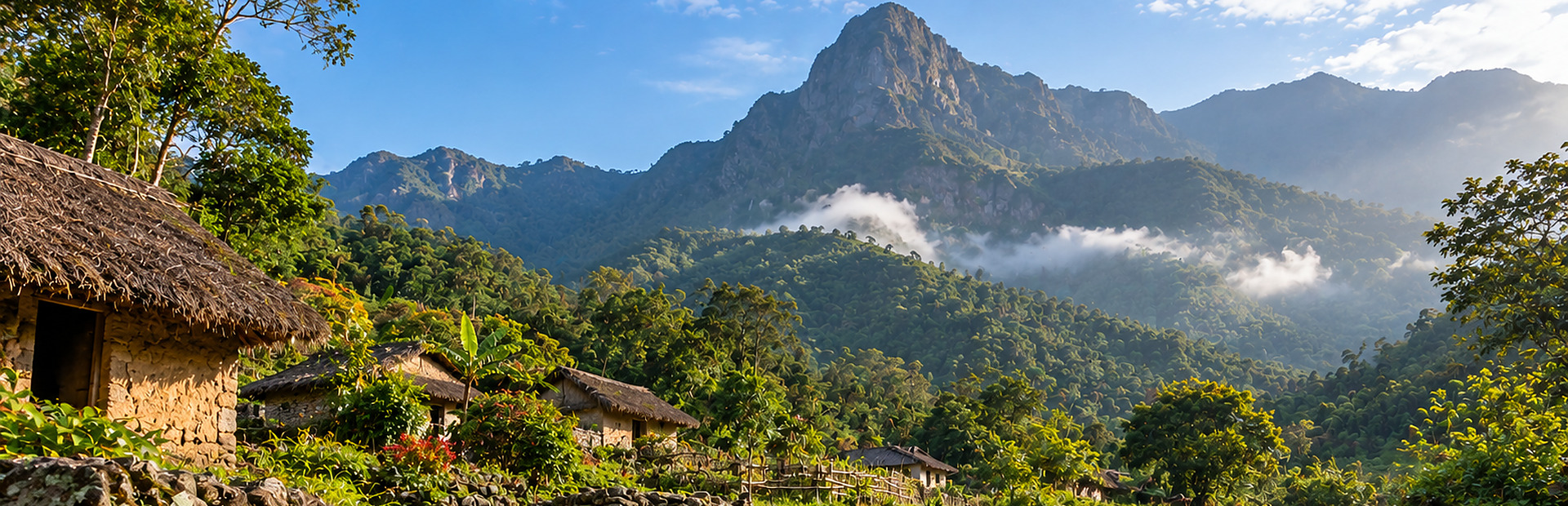
Thatched stone houses in a remote Sri Lankan mountain village below a misty peak

Hidden Gems in Sri Lanka: 10 Places Beyond the Tourist Trail

Sri Lanka is often associated with famous places such as Sigiriya, Kandy, Ella and Galle. While these destinations deserve their popularity, there is another side of the island that is quieter, more remote and often more rewarding for travellers who want to experience somewhere different.

From isolated islands in the north to forest monasteries, mountain villages and wildlife-rich wetlands, Sri Lanka has plenty of places beyond the usual tourist trail. Some require more planning to reach, but that is often part of the experience.

If you are planning your first trip, our Sri Lanka Travel Guide for UK Travellers: Everything You Need to Know can help with the practical essentials before you start exploring beyond the main attractions.

Here are 10 lesser-known places and experiences to consider for a different Sri Lanka itinerary.

1. Delft Island: A Different Side of Northern Sri Lanka

Also known as Neduntivu or Neduntheevu, Delft Island lies in the Palk Strait in northern Sri Lanka. Its landscape feels very different from the lush central highlands, with dry terrain, coral-stone walls, distinctive vegetation and a slower pace of life.

One of its most unusual features is its population of wild ponies, descendants of horses introduced to the island during earlier periods of its history. Visitors can also find the remains of a Dutch fort, an ancient temple, baobab trees and old stone structures.

How to reach Delft Island

The usual route is through Jaffna and onward to Kurikattuwan, where ferries operate to Delft Island. The crossing takes around an hour, although ferry timings can change according to weather and operating conditions.

Best time to visit

July and August are generally considered pleasant months for visiting, although conditions can vary. Always check the ferry schedule before setting out.

2. Ritigala: Ancient Ruins Hidden in the Forest

For travellers interested in Sri Lanka's history without the crowds of its better-known ancient sites, Ritigala offers something completely different.

Located in the Anuradhapura District, Ritigala is an ancient monastic complex surrounded by forest. Rather than monumental statues and elaborate temples, the site is characterised by stone-paved paths, staircases, bridges, bathing areas and ruins integrated into the natural landscape.

The setting is one of the biggest reasons to visit. Walking through the forest towards the monastery creates a feeling of discovering something that has been left largely to nature.

How to reach Ritigala

Ritigala is best visited by road as part of a wider north-central Sri Lanka itinerary. It can work particularly well between Anuradhapura, Dambulla and other cultural sites.

Best time to visit

The cooler and drier months are generally more comfortable for exploring the site on foot. Wear suitable footwear, carry water and allow enough time to explore rather than treating it as a quick stop.

3. Gal Oya National Park: Wildlife Without the Usual Safari Crowds

Gal Oya National Park is one of Sri Lanka's more distinctive wildlife destinations. Instead of being defined only by jeep safaris, the area is closely connected with the vast Senanayake Samudraya reservoir and its surrounding forests and wetlands.

The park supports a wide variety of birdlife, including painted storks, pelicans, cormorants and several other resident and migratory species.

The landscape also makes Gal Oya different from more familiar safari destinations. Water, forest and open areas come together to create a quieter wildlife experience.

How to reach Gal Oya

Gal Oya is in southeastern Sri Lanka and is best included as part of a longer eastern or southern itinerary rather than as a short excursion from Colombo.

Best time to visit

The drier periods are generally more comfortable for wildlife viewing, although the park's environment changes throughout the year.

4. Meemure: A Remote Mountain Village

Deep within the Knuckles mountain region, Meemure is one of the more remote villages in Sri Lanka. Its isolation is part of its appeal.

The village is surrounded by dramatic mountain scenery, forests, streams and traditional rural landscapes. Lakegala, with its distinctive pyramid-like profile, provides one of the area's most recognisable natural backdrops. Sri Lanka Tourism describes Meemure as one of the country's most remote villages, with access historically involving a trail from Loolwatte.

This is a destination for travellers who want to slow down rather than tick attractions off a list.

How to reach Meemure

Reaching Meemure requires more planning than visiting Sri Lanka's main tourist centres. Road conditions and access can vary, so arranging suitable local transport is advisable.

Best time to visit

Choose a period with more settled weather if you plan to hike or explore the surrounding countryside.

5. Riverston: Mountain Views in the Knuckles Range

Riverston is another option for travellers looking beyond the more familiar hill-country destinations.

Located around 30 kilometres from Matale, Riverston forms part of the Knuckles mountain region. The area is known for its mountain scenery, winding roads, forests and viewpoints rather than large tourist attractions.

The journey itself is part of the experience, with changing landscapes as the road climbs into the hills.

How to reach Riverston

The most practical option is to travel by road from Matale. Because the area is mountainous, allow extra time for the journey and check local conditions before setting out.

Best time to visit

The drier months can make hiking and viewpoints more enjoyable, although mist can be part of the experience in the highlands.

6. Mannar Island: Baobab Trees and a Distinctive Northern Landscape

Mannar Island offers a very different landscape from the tropical beaches and green mountains commonly associated with Sri Lanka.

One of its most unusual natural features is the baobab tree. The species is not native to Sri Lanka and is believed to have been introduced through historical trading connections. The enormous, barrel-shaped trunks stand out dramatically against Mannar's relatively dry landscape.

Beyond the trees, Mannar has a distinctive cultural and historical character, shaped by centuries of maritime trade and different communities.

How to reach Mannar

Mannar is connected to the mainland by road, making it possible to include in a northern Sri Lanka road trip.

Best time to visit

The northern dry season can be a comfortable time to explore the island, particularly if you plan to spend time outdoors.

7. Kumana National Park: A Haven for Birdwatchers

If wildlife is on your Sri Lanka wish list but you want to experience something beyond the country's most famous safari park, consider Kumana.

Located in the southeast, Kumana is particularly important for birdlife. Sri Lanka Tourism records around 255 bird species in the park, while its lagoons and wetlands provide important habitats for nesting and migratory birds.

The park also has a fascinating historical dimension, with evidence of ancient settlement and rock inscriptions in the wider area.

How to reach Kumana

Kumana can be incorporated into an eastern or southeastern Sri Lanka itinerary, particularly alongside the Pottuvil and Panama areas.

Best time to visit

For birdwatchers, visiting during periods when migratory species are present can make the experience particularly rewarding. Local conditions should be checked before travelling.

8. Kudumbigala Monastery: A Forest Hermitage Near the East Coast

Kudumbigala is a fascinating combination of history, spirituality and wilderness.

The ancient monastery contains more than 200 cave accommodations and was developed as a place for monks seeking solitude away from urban life. One of its most distinctive features is a cylindrical stupa positioned on the mountain summit, reached by steps carved into the rock.

Its location makes it especially interesting for travellers exploring the quieter southeastern corner of Sri Lanka.

How to reach Kudumbigala

The monastery is located near Panama and the eastern coast. It is best reached by road and combined with other attractions around Okanda and the southeastern coast.

Best time to visit

A dry period is preferable because reaching and exploring the site involves walking and uneven terrain.

9. Okanda Beach: A Quieter Eastern Coast Escape

Around 28 kilometres from Arugam Bay, Okanda offers a very different atmosphere from the better-known surf destination.

The beach is reached by a route through a patch of jungle and is known for its surfing conditions, rocky surroundings and dramatic sunsets. The surrounding Okanda-Kudumbigala region is also recognised as a heritage conservation zone with strong local traditions.

Because of its more remote setting, Okanda suits travellers who want to experience the eastern coastline away from the main resort areas.

How to reach Okanda

It can be reached by road from the Arugam Bay and Pottuvil area. The approach is more remote than many established beaches, so allow extra time.

Best time to visit

The eastern coast is generally best suited to travel during its drier season. Surfers should also check local sea conditions before entering the water.

10. Bambarakanda Falls: Sri Lanka's Tallest Waterfall

At 263 metres, Bambarakanda Falls is the tallest waterfall in Sri Lanka. Despite its impressive height, it is not one of the island's most heavily visited attractions.

The waterfall descends through a forested landscape in the Badulla District, creating a particularly scenic stop for travellers exploring the central highlands.

Getting there is part of the adventure. The final road can be narrow and uneven, and the approach to the base involves walking.

How to reach Bambarakanda Falls

The waterfall is located near Kalupahana, around 5 kilometres from the A4 highway. Local transport or a suitable vehicle is recommended for the final section of the journey.

Best time to visit

The waterfall can be visited throughout the year, but conditions around the access route can become more difficult after heavy rainfall.

How to Choose the Right Hidden Gem in Sri Lanka

The best destination depends on the kind of experience you want.

  • For history and ancient ruins: Choose Ritigala or Kudumbigala.
  • For remote landscapes: Meemure and Riverston offer mountain scenery and a slower pace.
  • For wildlife: Consider Gal Oya National Park or Kumana National Park.
  • For unusual coastal experiences: Delft Island, Mannar and Okanda Beach offer something quite different from the popular southern beaches.
  • For waterfalls and mountain scenery: Bambarakanda Falls is a strong choice.

If you are planning around weather, our Best Time to Visit Sri Lanka: A Month-by-Month Travel Guide can help you match different regions with the most suitable season.

Things to Consider Before Visiting Sri Lanka's Hidden Gems

Exploring less-visited destinations can be incredibly rewarding, but it usually requires more preparation than visiting established tourist centres.

  • Allow extra travel time: Roads can be slower in mountainous and remote areas.
  • Check transport before leaving: Ferry schedules and local transport can change, particularly on remote islands.
  • Carry essentials: Water, snacks, sun protection and suitable footwear can be important.
  • Respect religious sites: Dress appropriately and follow local photography rules.
  • Follow local guidance in wildlife areas: Never approach wild animals or leave designated routes.
  • Don't assume mobile coverage: Remote areas may have limited connectivity.
  • Check the weather: Conditions can significantly affect mountain roads, trails and outdoor activities.
  • Travel responsibly: Avoid leaving litter and respect local communities and private property.

For UK travellers, it is also worth checking the latest entry requirements before building a remote-region itinerary. See our Sri Lanka Travel Requirements for UK Citizens: Visa, Passport & Entry Rules for the key documents and entry information.

Are Sri Lanka's Hidden Gems Worth Visiting?

Absolutely — particularly if you have enough time to travel beyond the country's headline attractions.

Sri Lanka's lesser-known destinations show just how varied the island is. You can move from ancient forest monasteries to remote mountain villages, from wildlife-rich wetlands to isolated northern islands, often within the same holiday.

The key is not to try to visit all ten. Choose one or two that fit naturally into your route and allow enough time to experience them properly.

For travellers who want more than a checklist of famous sights, these quieter corners can become some of the most memorable parts of a Sri Lanka holiday.

Frequently Asked Questions

Some of the most interesting lesser-known destinations include Delft Island, Ritigala, Meemure, Gal Oya National Park, Kumana National Park, Kudumbigala, Riverston, Mannar and Bambarakanda Falls.

Yes, if you enjoy remote villages, hiking and mountain scenery. Meemure is considerably more difficult to reach than Sri Lanka's main tourist destinations, so it is better suited to travellers who have time for a slower itinerary.

Gal Oya and Kumana are both strong choices. Gal Oya offers a combination of forest, wetlands and reservoir landscapes, while Kumana is particularly notable for birdlife.

Many are, provided you plan carefully. Remote destinations such as Meemure, Delft Island and Kudumbigala require more logistical planning than destinations such as Kandy or Colombo.

The easiest approach is to add destinations that fit naturally along your route rather than making long detours for individual attractions. A well-planned itinerary can combine famous highlights with one or two quieter destinations.

Discover a Different Side of Sri Lanka

Sri Lanka's most famous attractions may introduce you to the island, but its quieter destinations can reveal another side of the country — one shaped by remote landscapes, ancient traditions, wildlife, local communities and slower journeys.

Whether you choose a mountain village, a forest monastery, a northern island or a quiet stretch of coastline, going beyond the usual tourist trail can make your Sri Lanka holiday feel far more personal and memorable.